DID YOU KNOW? OUR MOORS ARE A HOSPITAL FOR WILD BEES
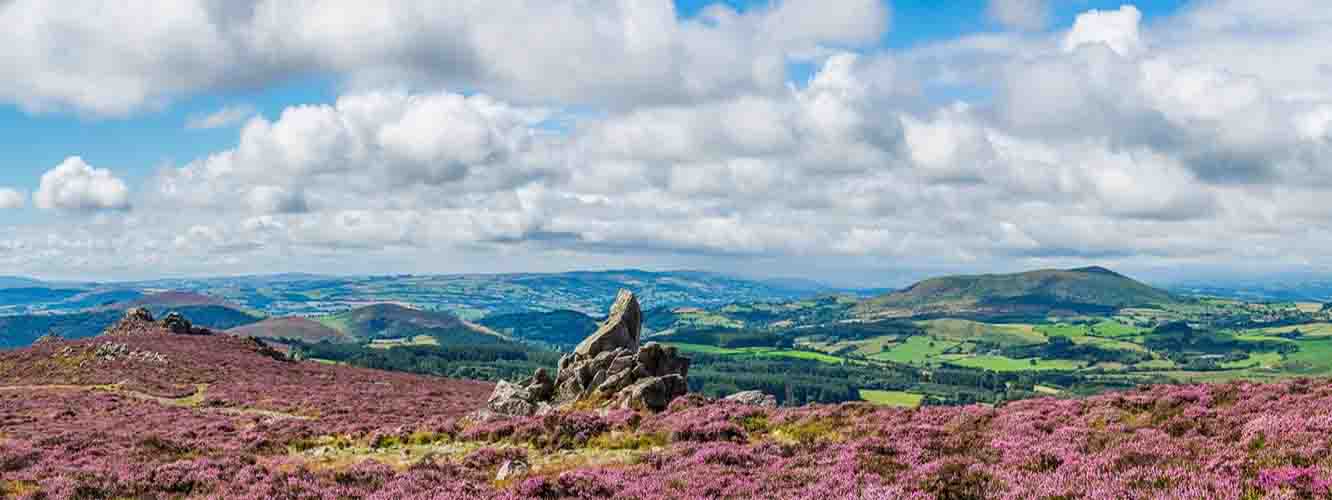
To the casual observer, a purple heather moor is just a beautiful view. But to a wild bumblebee, it is a life-saving hospital.
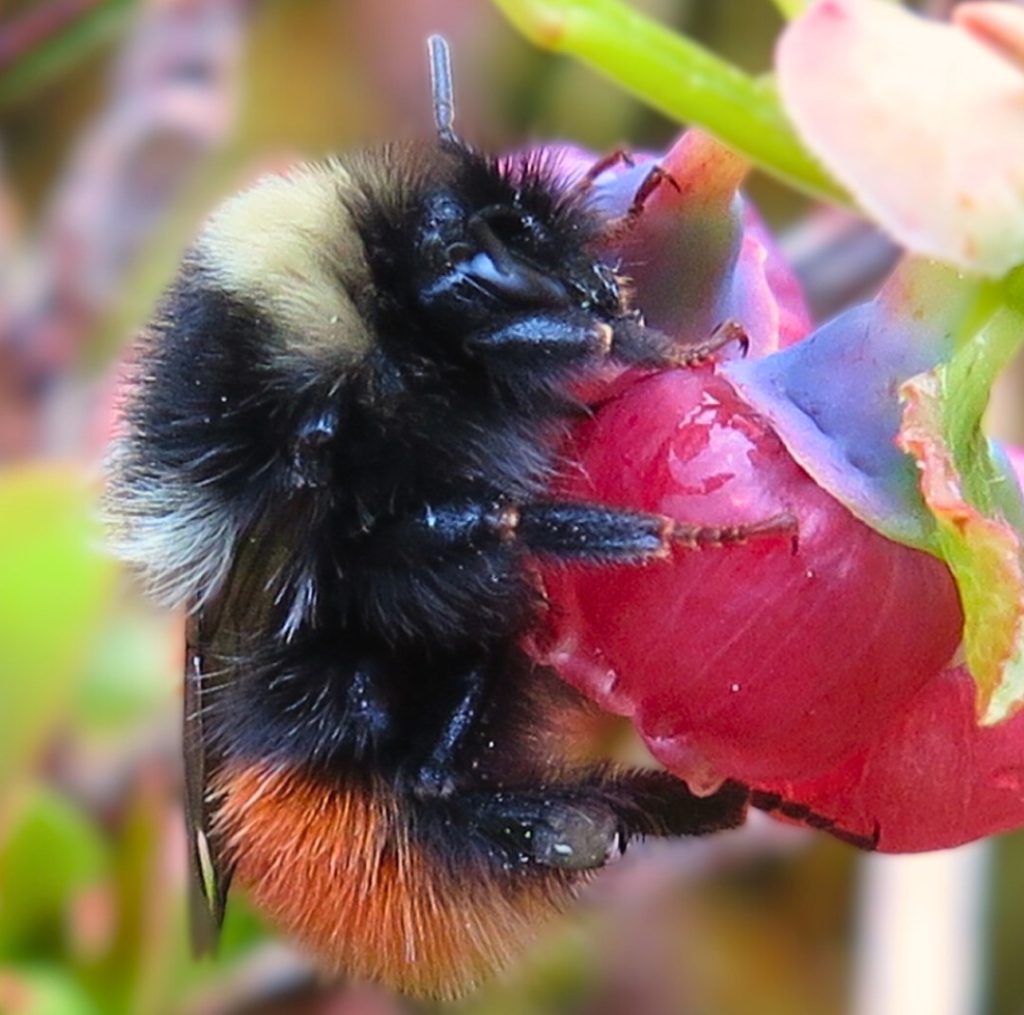
Research from Royal Holloway and Kew Gardens has uncovered a remarkable secret hidden in the nectar of common heather (Calluna vulgaris). It contains a natural substance called callunene – a powerful medicine that protects bees from the deadly intestinal parasite Crithidia bombi.
But here is the catch: The medicine runs out if we don’t manage the land.
As heather plants age, they become “degenerate” – woody, leggy, and grey. They produce fewer flowers and significantly less of this medicinal nectar. To keep the pharmacy stocked, we need fresh, vigorous plants.
This is why we burn.
Controlled burning is a precision tool that resets the clock on the heather’s lifecycle.
The Fire: Clears dead, woody vegetation and creates a mineral-rich ash fertilizer.
The Regrowth: Fresh, green shoots emerge, rich in nutrients and producing the abundant nectar bees need to “detox” from parasites.
The Mosaic: Gamekeepers burn small patches to create a patchwork of old and new heather – providing shelter for insects in the tall crops and food in the new ones.
Why not just mow?
Mechanical mowing leaves a thick mat of “brash” (rotting vegetation) that smothers the soil and stops delicate mosses and seeds from growing. Fire creates a clean seedbed and the micro-topography insects need.

Farmers regain right to trigger ragwort enforcement 18 December 2025 by FarmingUK Team
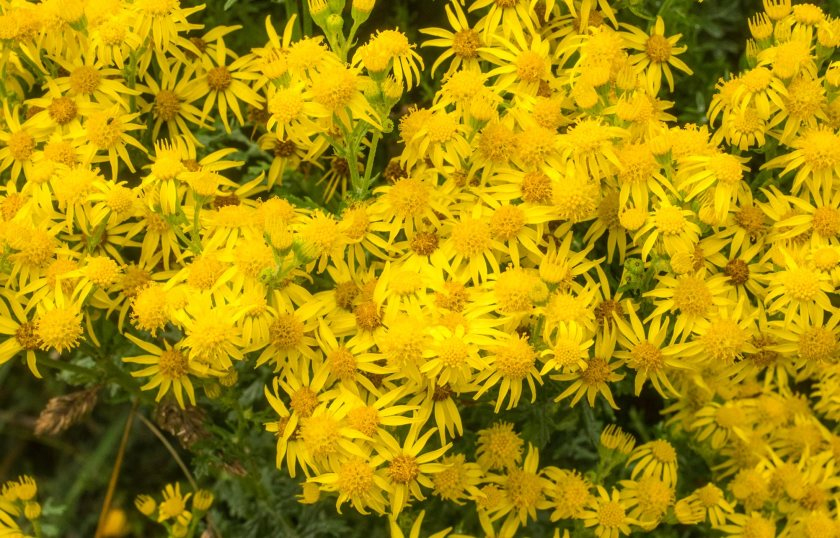
The Weeds Act 1959 is designed to prevent the spread of injurious weeds such as ragwort
Farmers and landowners will once again be able to trigger enforcement action on ragwort from 1 April 2026, after Natural England agreed to reopen its complaints process following pressure from the Countryside Alliance.
The move means Natural England will resume accepting complaints under the Weeds Act 1959, after suspending new cases in September despite being the body responsible for enforcement in England.
The legislation was introduced to prevent the spread of injurious weeds, most notably ragwort, which is toxic to humans and highly poisonous to grazing livestock including horses and cattle.
Where weeds spread from neighbouring land, affected owners can insist they are controlled at source, but only once Natural England has taken enforcement action.
Concerns escalated after Wiltshire farmer and Countryside Alliance member Christopher Jenkin contacted the organisation for support after ragwort spread from a neighbouring field left him unable to seek enforcement.
The issue was raised in parliament when Liberal Democrat MP Dr Roz Savage, who represents South Cotswolds, tabled a written question to Defra seeking clarity on Natural England’s approach.
In its response, the government said: “Natural England (NE) is dealing with historic weeds complaints but is not currently taking new complaints.
“This is a temporary measure whilst NE reviews with Defra the approach to addressing injurious weeds, to improve access to appropriate advice and guidance and ensure enforcement resources are targeted most effectively.”
The Countryside Alliance questioned why such a review could not have been carried out during the existing off-season for Weeds Act complaints, which already runs from October to March.
Following continued pressure, the government has now updated its guidance to confirm that Natural England will reopen its complaints procedure.
New complaints will be accepted between 1 April and 30 October 2026, with the off-season remaining in place. Natural England says it will aim to respond to valid complaint forms within 10 working days.
The Countryside Alliance said it would continue to monitor the process to ensure enforcement responsibilities are properly carried out and that farmers and landowners are not left without recourse where weed spread poses a risk to livestock and land.
James Legge, director of public affairs at the Countryside Alliance, said: “We were deeply concerned at the sudden suspension of the complaints process back in September and took action to ensure it was eventually re-opened, providing much needed clarity to farmers and landowners.”

The text and photographs below were made and written in 2024 but it is exactly the same in 2025
The Hollies
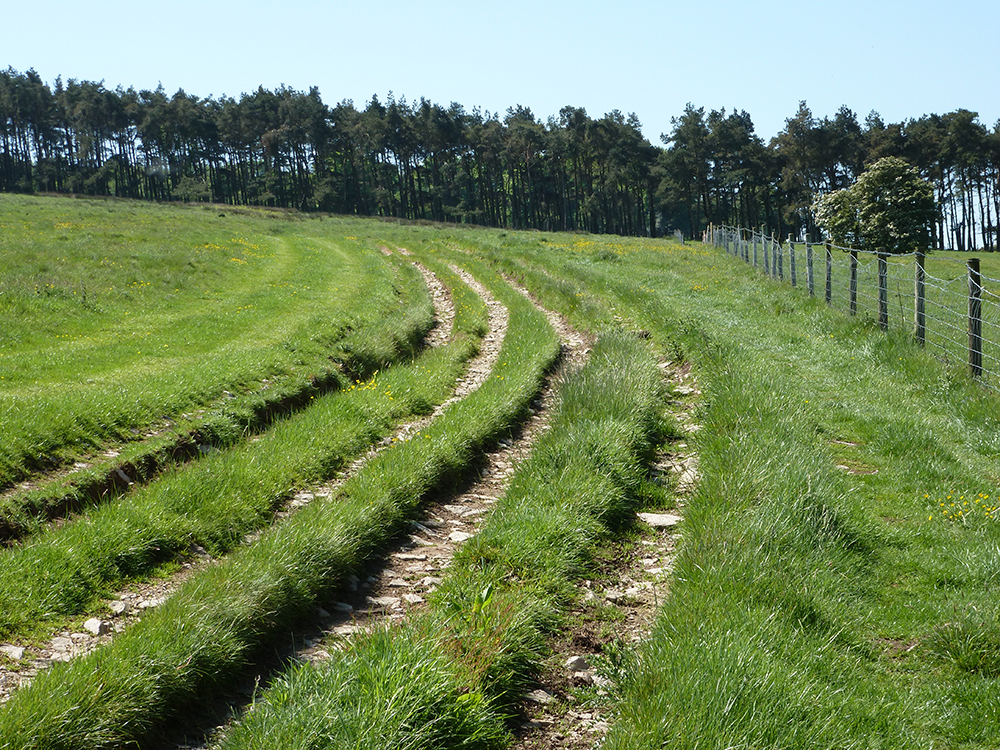
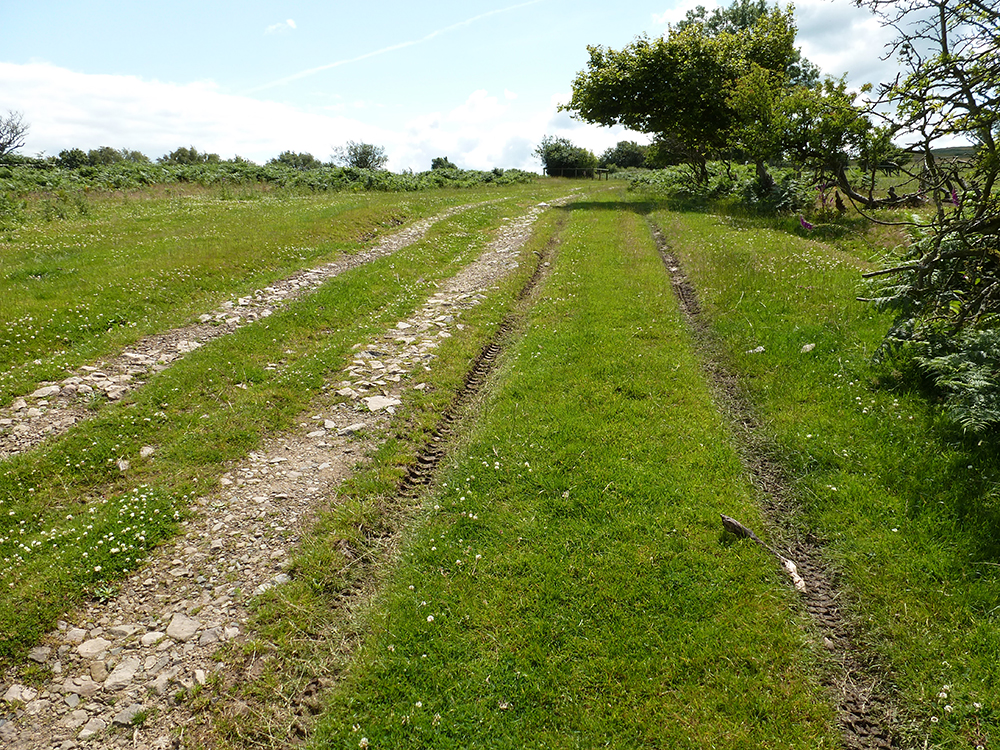
Path up through the Hollies from Lordshill. In the winter this is terrible with tracks everywhere.
The Paddock
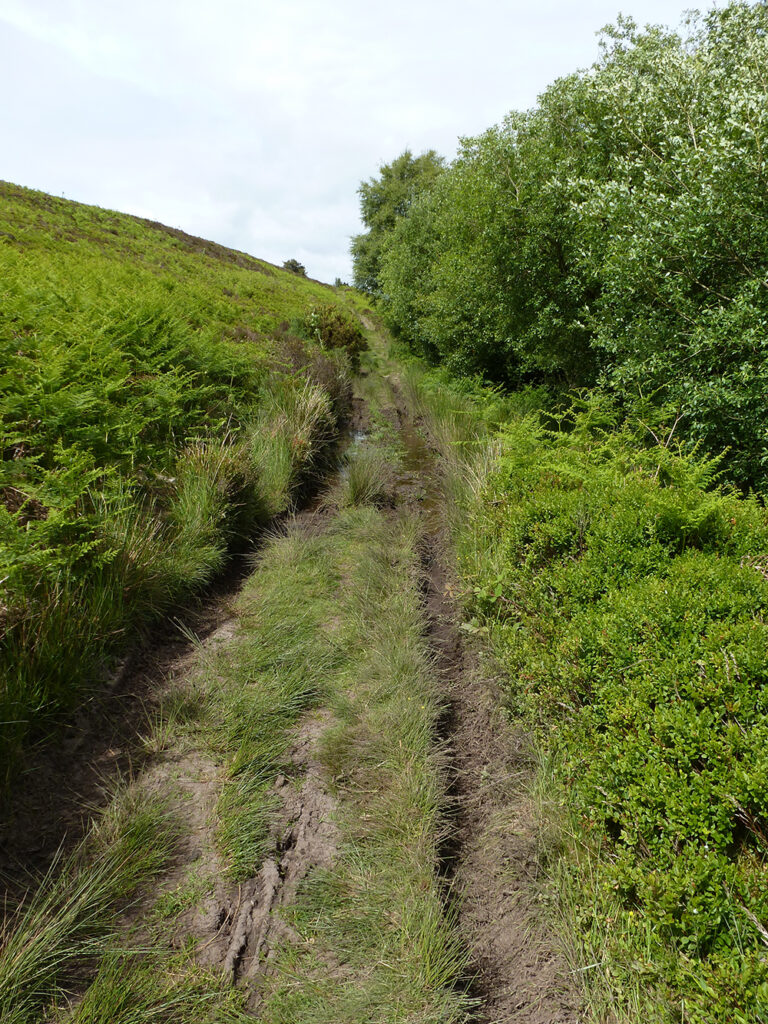
Path from Blakemoor Gate to The Paddock. This is a very wet patch (always has been) but when a Quad bike goes through it leaves this. People are now going up the hillside to avoid this. This was done by probably the people who cut the fallen tree down more towards The Paddock. Why they were here i have no idea. How about a little bit of water mangement.
Blakemoor Gate (above)
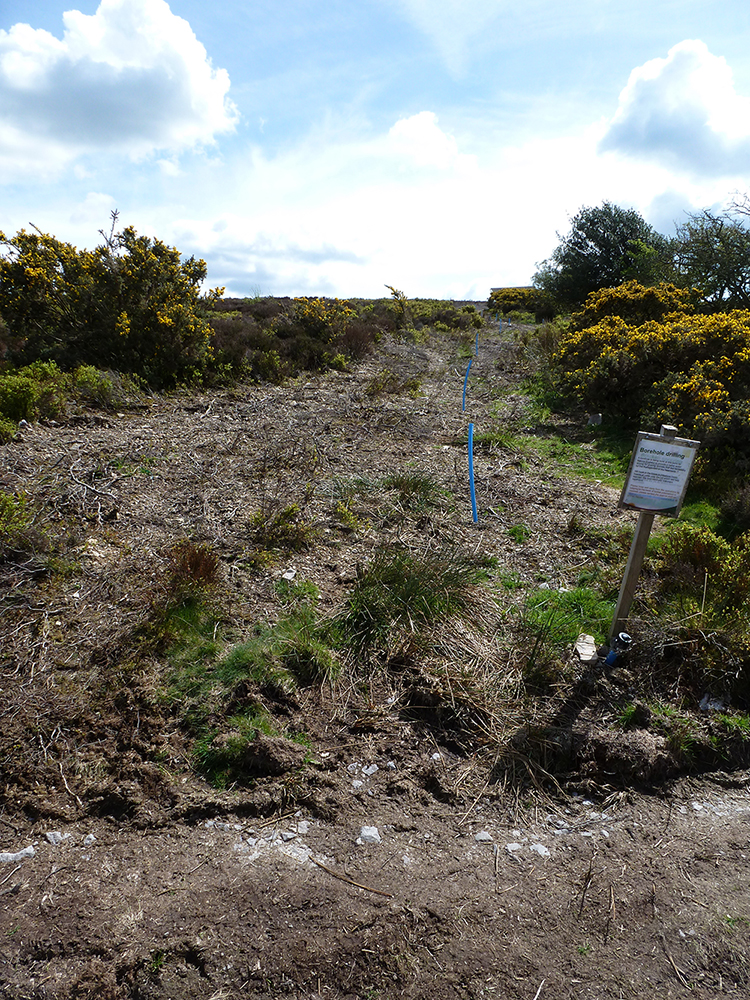
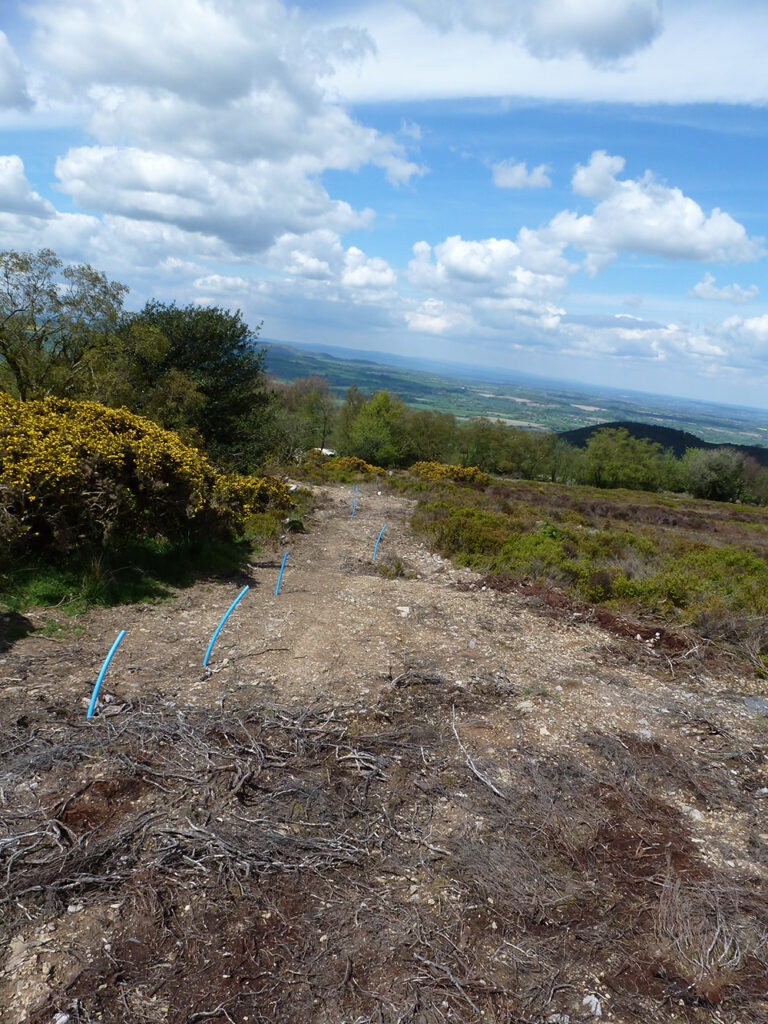
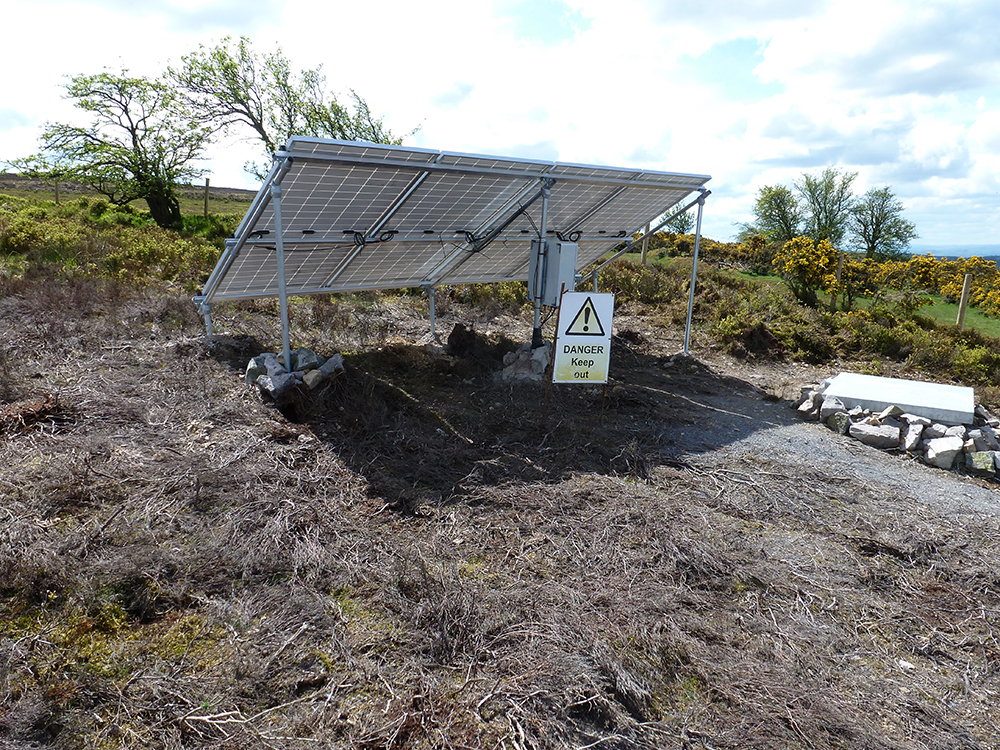
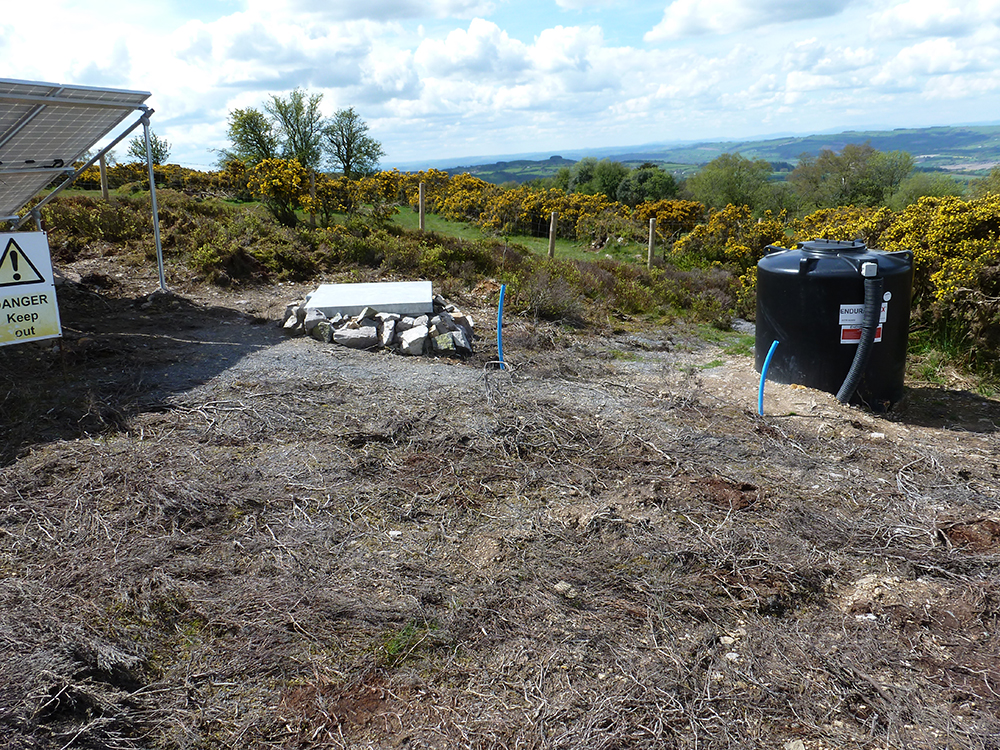
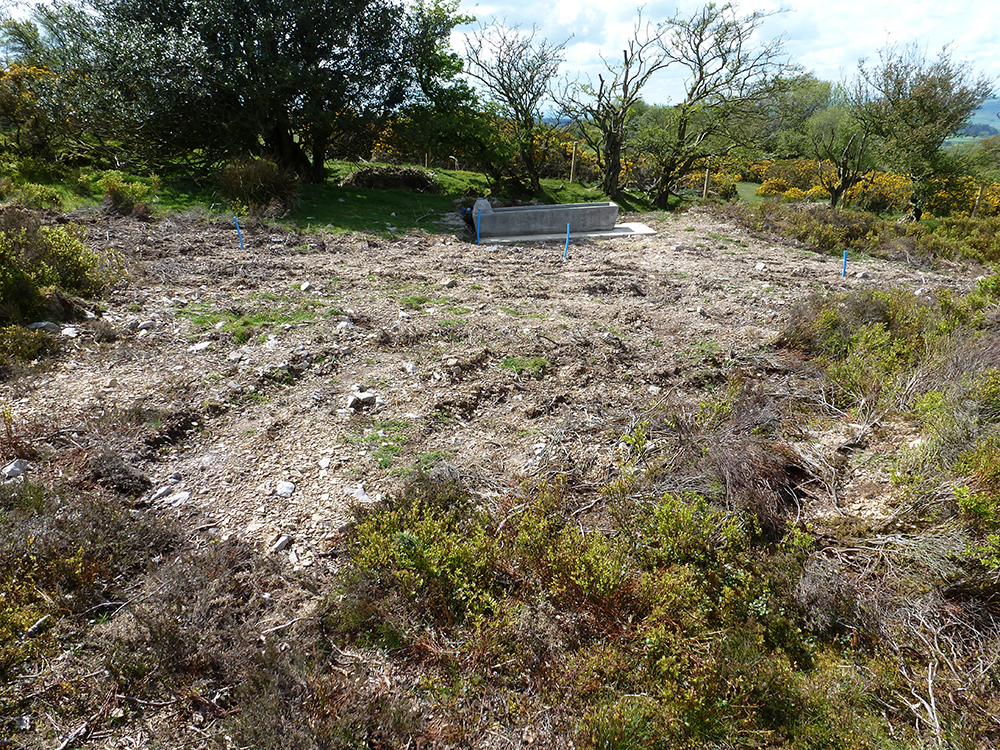
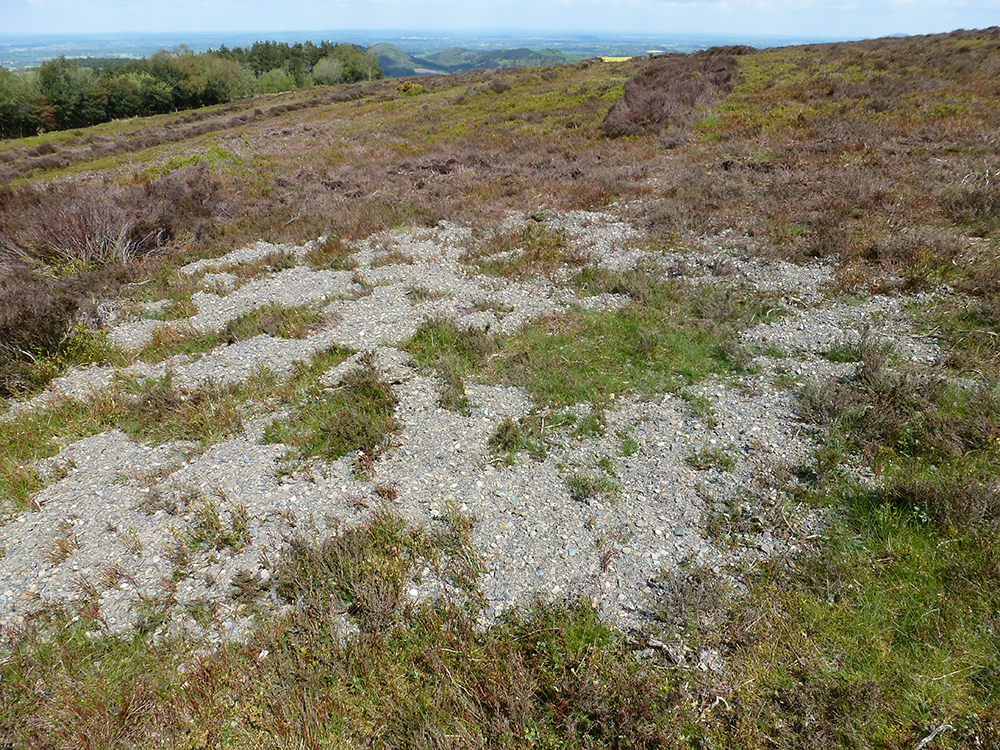
This building site is by Blakemoor Gate and was for a borehole. This is how it has been left for a considerable time. The topsoil was not put seperatly to the subsoil and the one area is of foreign gravel brought in for some reason. This is one of the poorest ideas of “management” i have seen in this Area of Oustanding Natural Beauty AONB.
If you actually use your brain and ask locals there is plenty of water on the Stiperstones especially if you have livestock of the original breeds which were grazed here and not Texel sheep and Limousine crossed cattle which are actual natives of mainland Europe and not the Stiperstones. My mother was very proud of her Clun sheep instead of the native Welsh sheep which tended to be the norm.
Blakemoor Gate
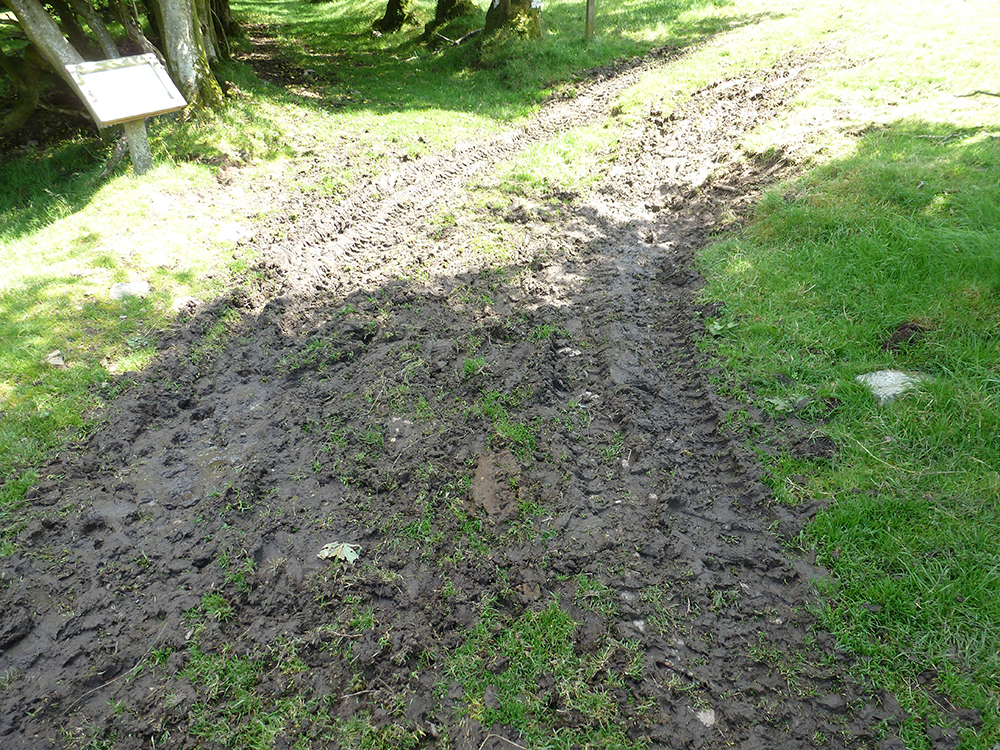
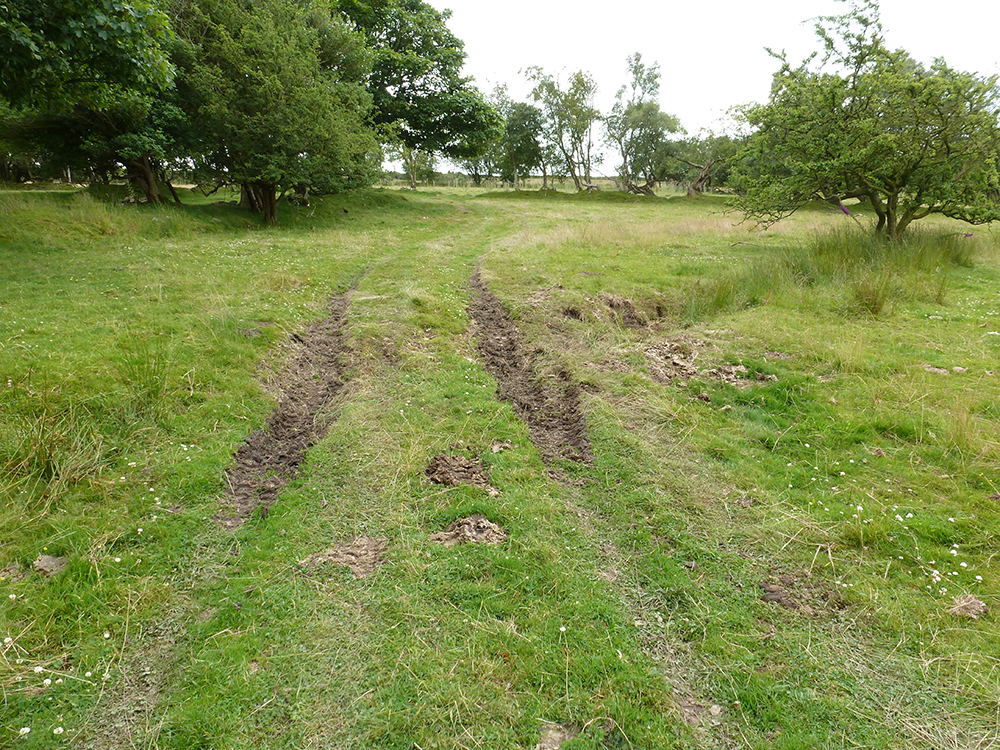
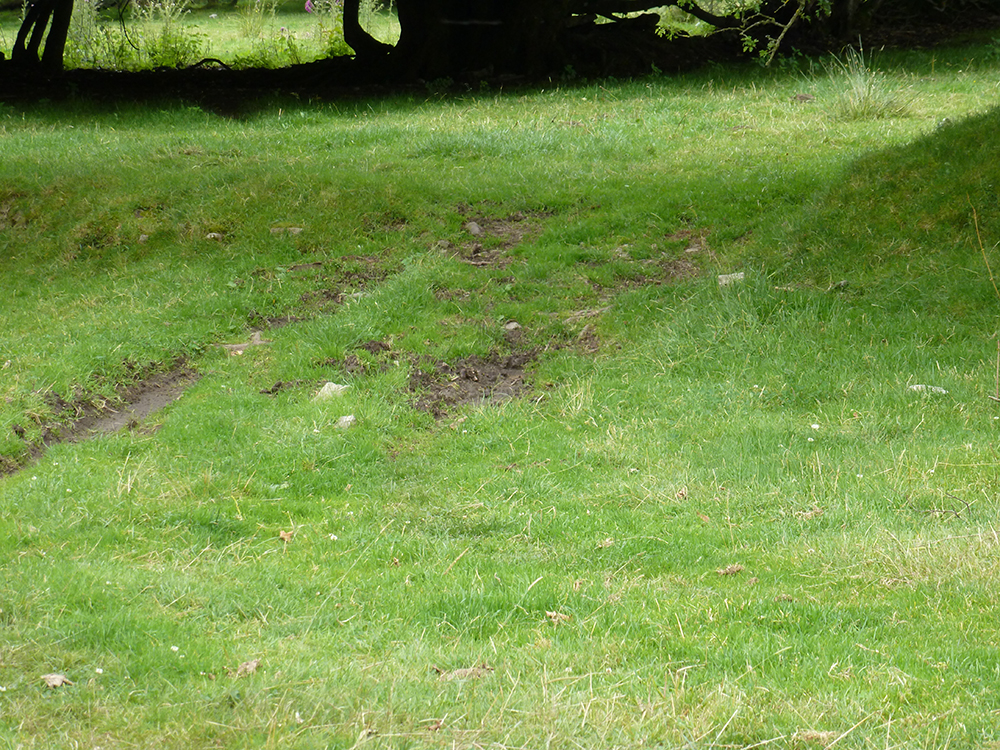
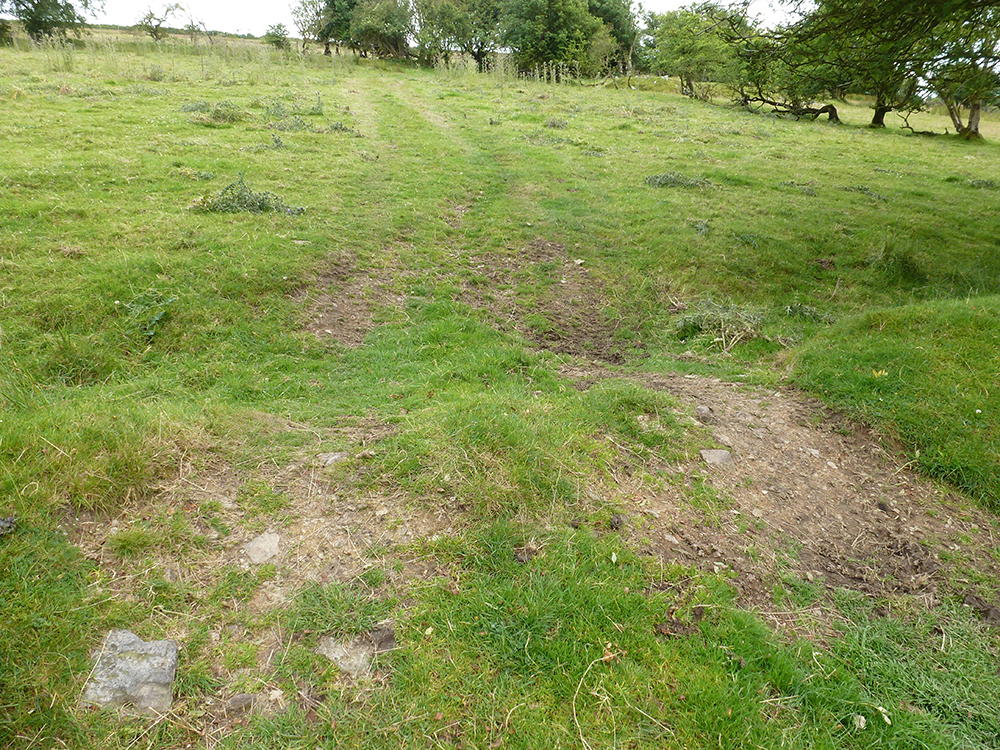
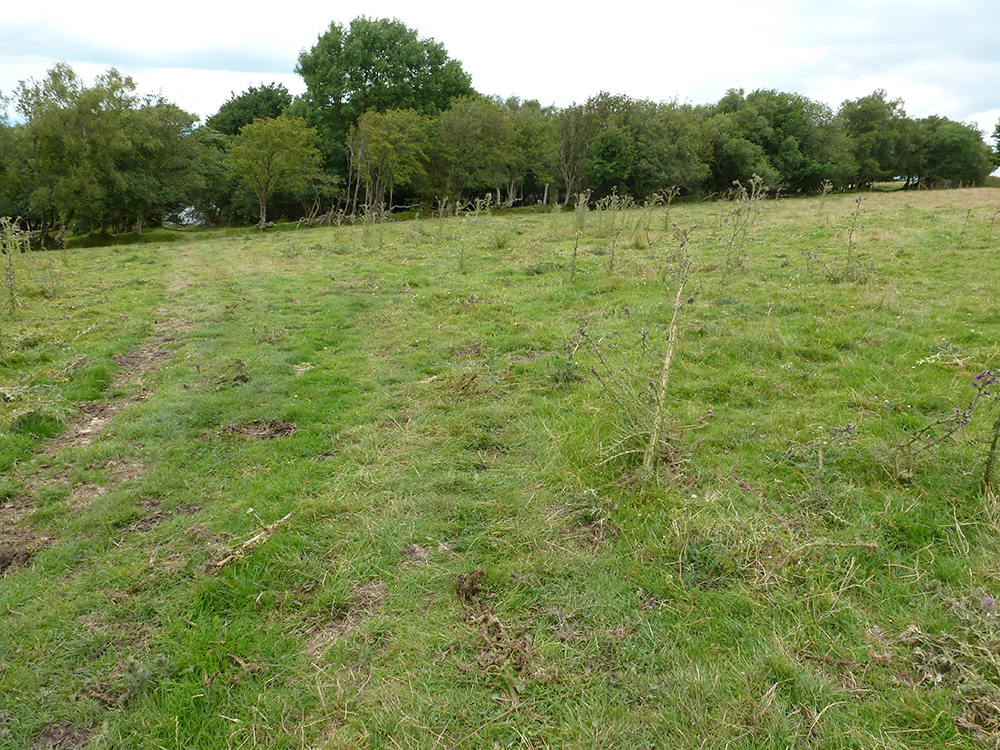
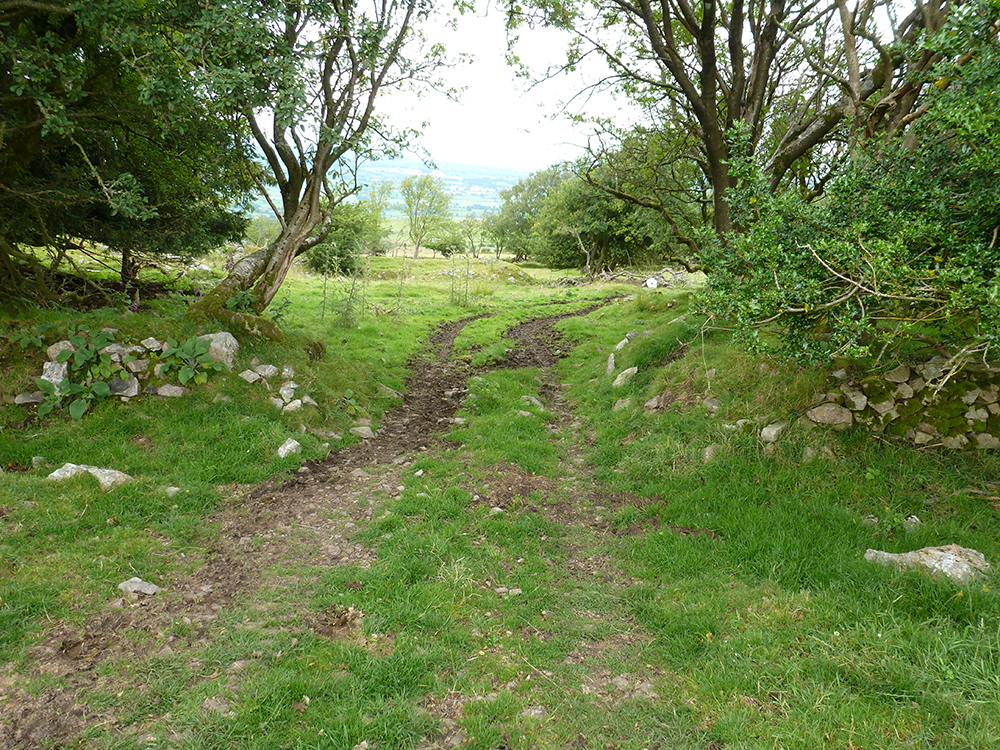
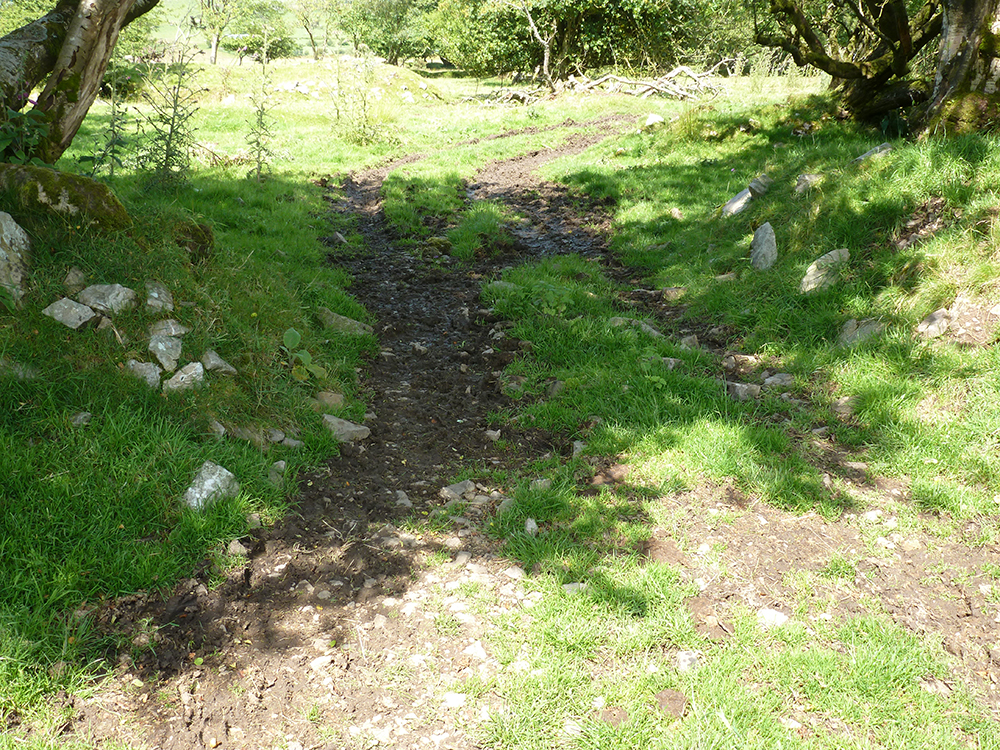
This is Blakemoor Gate with fields of Mountain Pansy etc with tracks of a 4×4 across original hedge and ditch features and across fields. Also a messy attempt to cut thistles etc. This is not management it is vandalism.
The Paddock
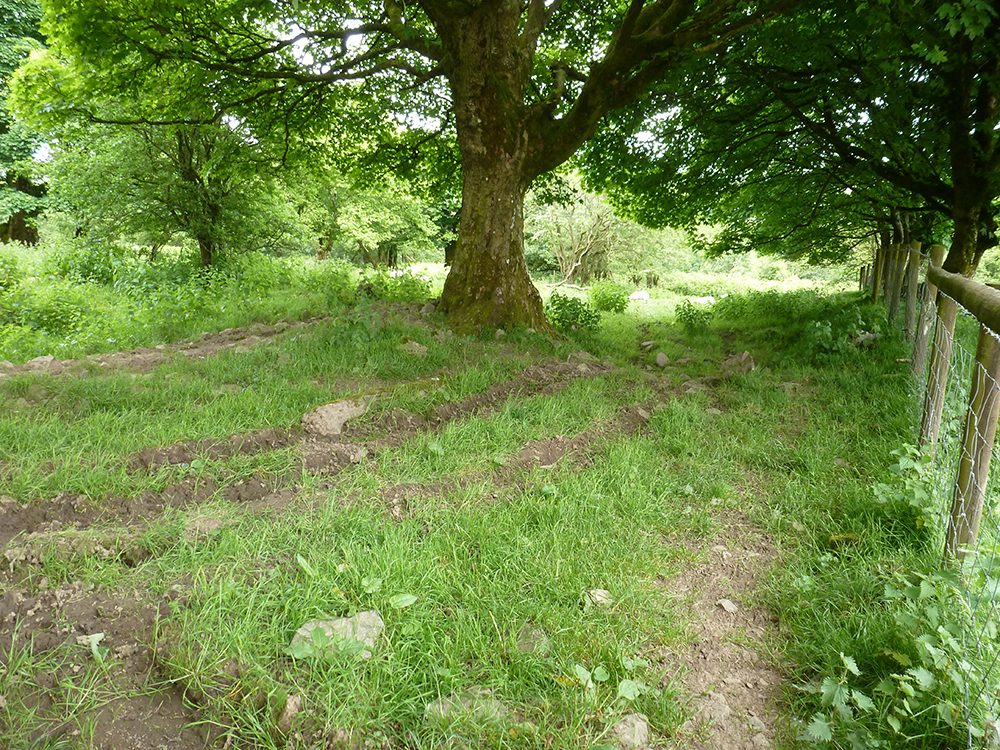
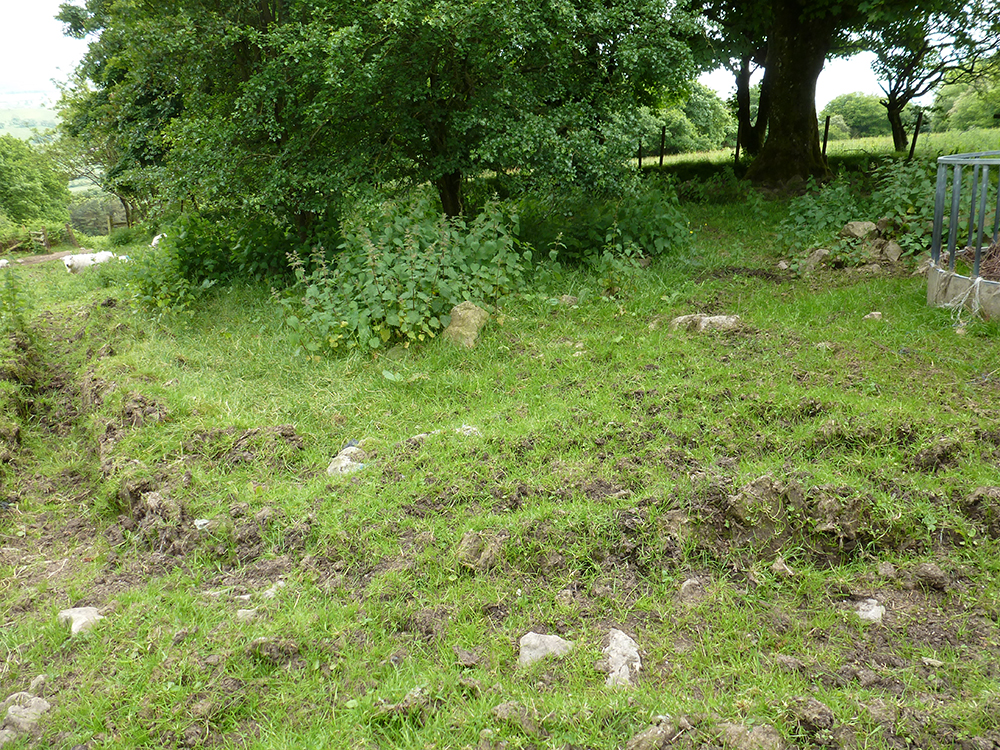
The above are 2 pictures of the remains of 2 houses in The Paddock Nos Nos 9 and 10. Feeding trough in the middle and tractor tracks everywhere. In the other parts of The Paddock are Tractor tracks across hedges and banks.
The Hollies / Blakemoor Gate
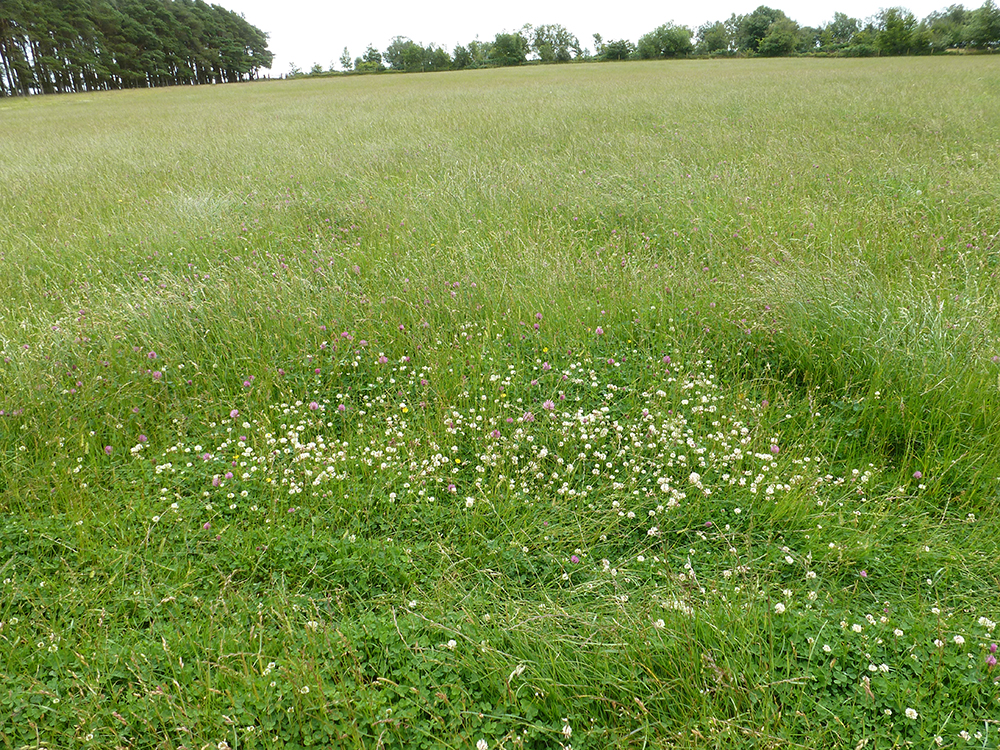
Picture of the field towards Blakemoor Gate this on July 14th 2024 was covered in White and Red (some) Clover and the smell of the Clover was intense but only 2 Bees which i could find without going into the grass. Something is wrong because at this time of year you should be able to hear hundreds of Bees because the perfume should have attracted bees from a great distance.
Blakemoor Flat
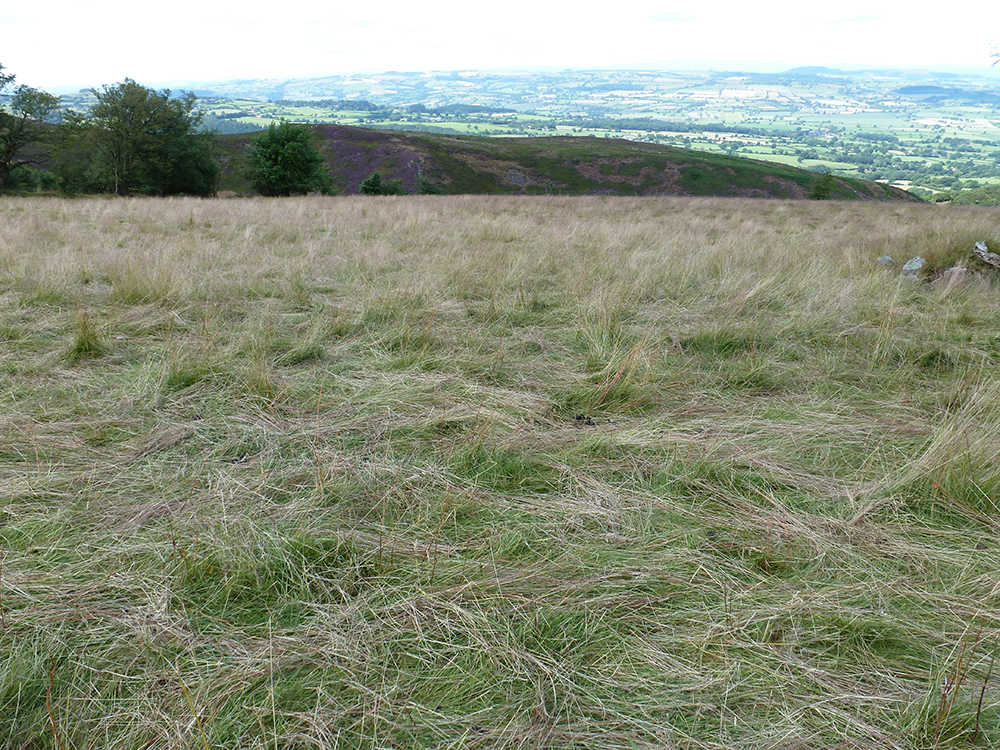
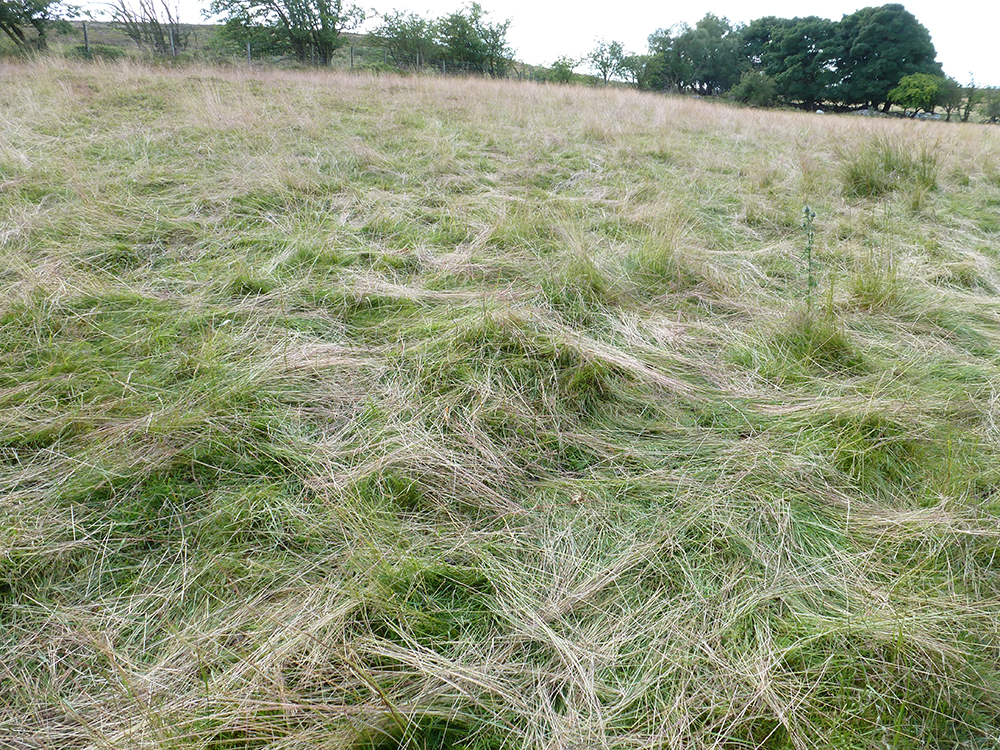
This is meadow grass not made into hay and left for the sheep to gaze !
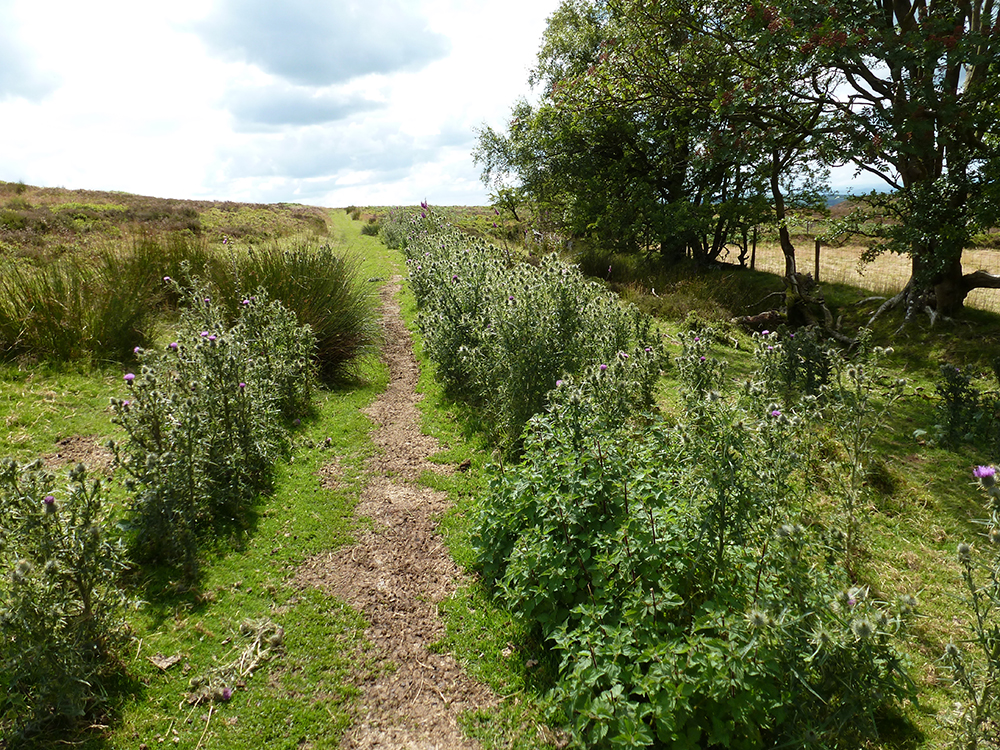
Land above Blakemoor Flat with part of a stand of thistles which have not been cut back to “tame” them and prevent the seed from blowing onto the fields.
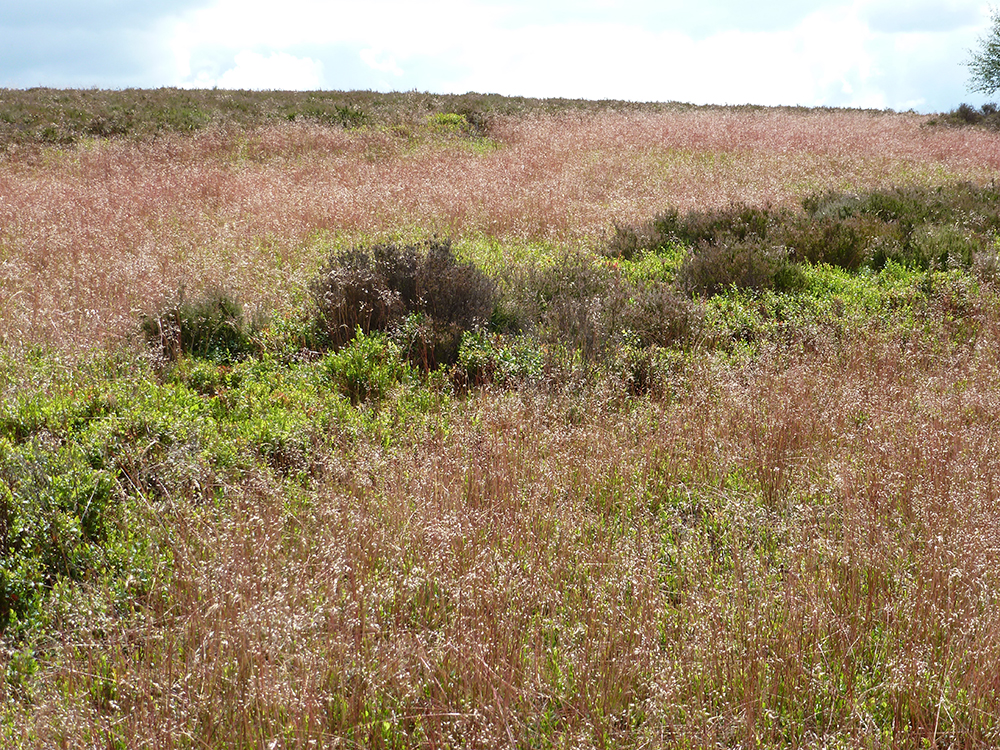
Grass growing on the hillside instead of heather where the heather has been cut with a flail mower making an evironment to encourage grass and lots of fungus detrimental to the natural environment.
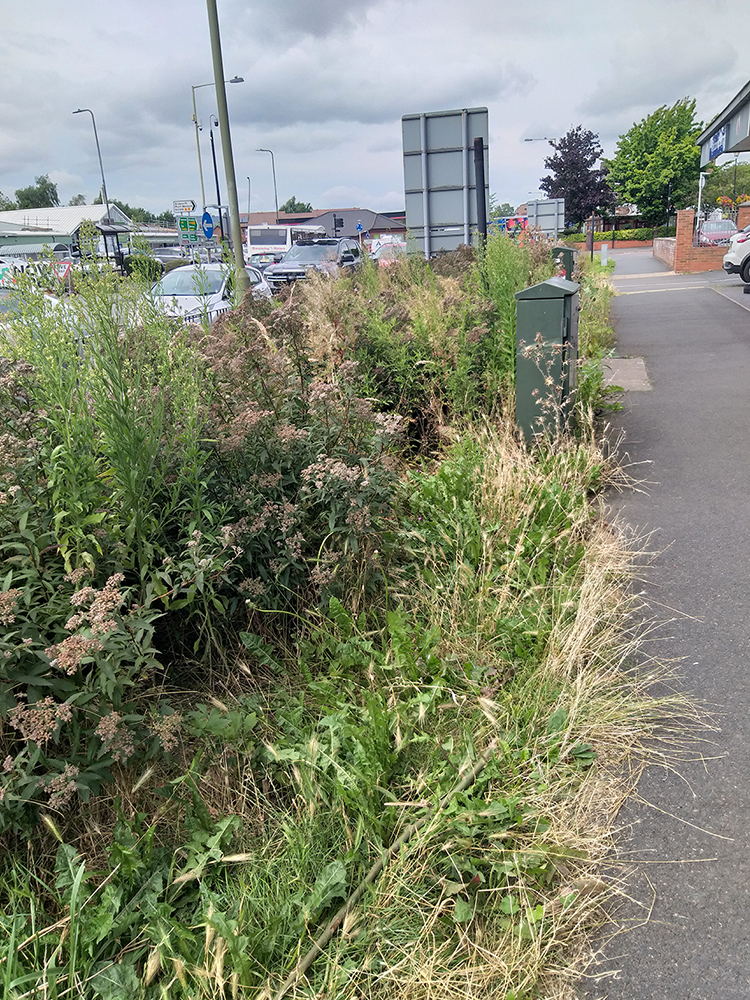
Above 2024
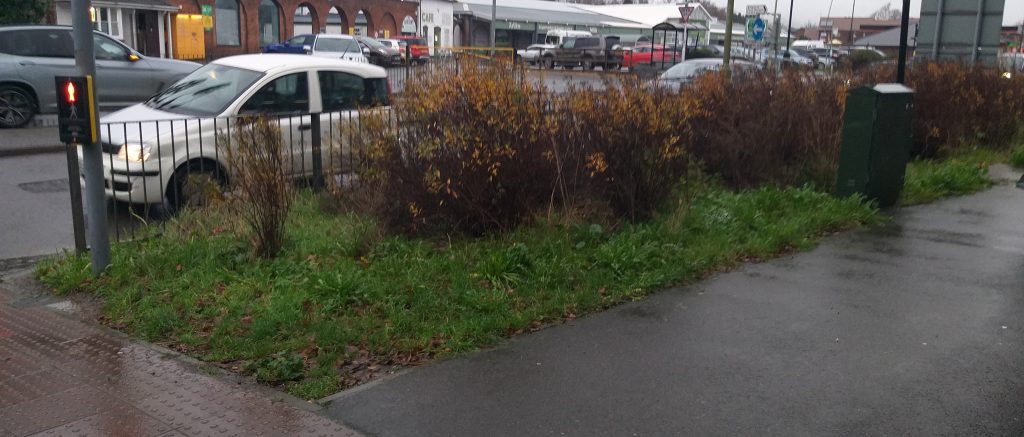
This is the verge outside the office block where in one of the offices is occupied by Natural England
A good example of “rewilding” in other words do nothing. Quite frankly Craven Arms Council and Natural England should be taken to task about this.
Below 2025 the Rewilding is going well